TO LEARN IS TO GROW
Learning Center
We do our research and publish our results. Should probably call this the Growing Center.

14 Smart Moves To Improve Your E-Commerce Marketing
There’s a very good reason why more business owners are flocking online. E-commerce has now given small businesses access to a market they otherwise wouldn’t be able to reach through a traditional brick-and-mortar operation.
This also means that, with so many online stores now competing for attention, having an e-commerce marketing strategy has become more important than ever for anyone selling their products online.
At its core, E-commerce Marketing helps people discover your brand and builds recognition over time so that when shoppers go online, your store is one of the first they think of.
Understandably, developing an E-commerce Marketing strategy can take quite a bit of work and can be overwhelming for anyone—startups and seasoned players alike.
But if you must start somewhere, below are 14 action items you can work on today to help your online store stand out from the rest.
Want help mapping out your next steps? Book a free strategy call to get guidance for your online store.

Practical Ways To Strengthen Your Online Presence

1. Start With the Right Website Foundation
Your e-commerce success starts with a website that’s built to convert. A strong foundation makes everything else—SEO, ads, and customer experience—work better together.
Whether you’re setting up your first store or improving an existing one, look for a platform that’s:
Easy to manage (so you can update products, prices, and photos quickly)
Optimized for search and mobile
Integrated with your marketing tools and payment systems
Scalable as your traffic and product catalog grow
Tip: Focus on how your website supports your long-term marketing strategy, not just how it looks. The best site is one that helps you sell efficiently and stay connected with your customers.
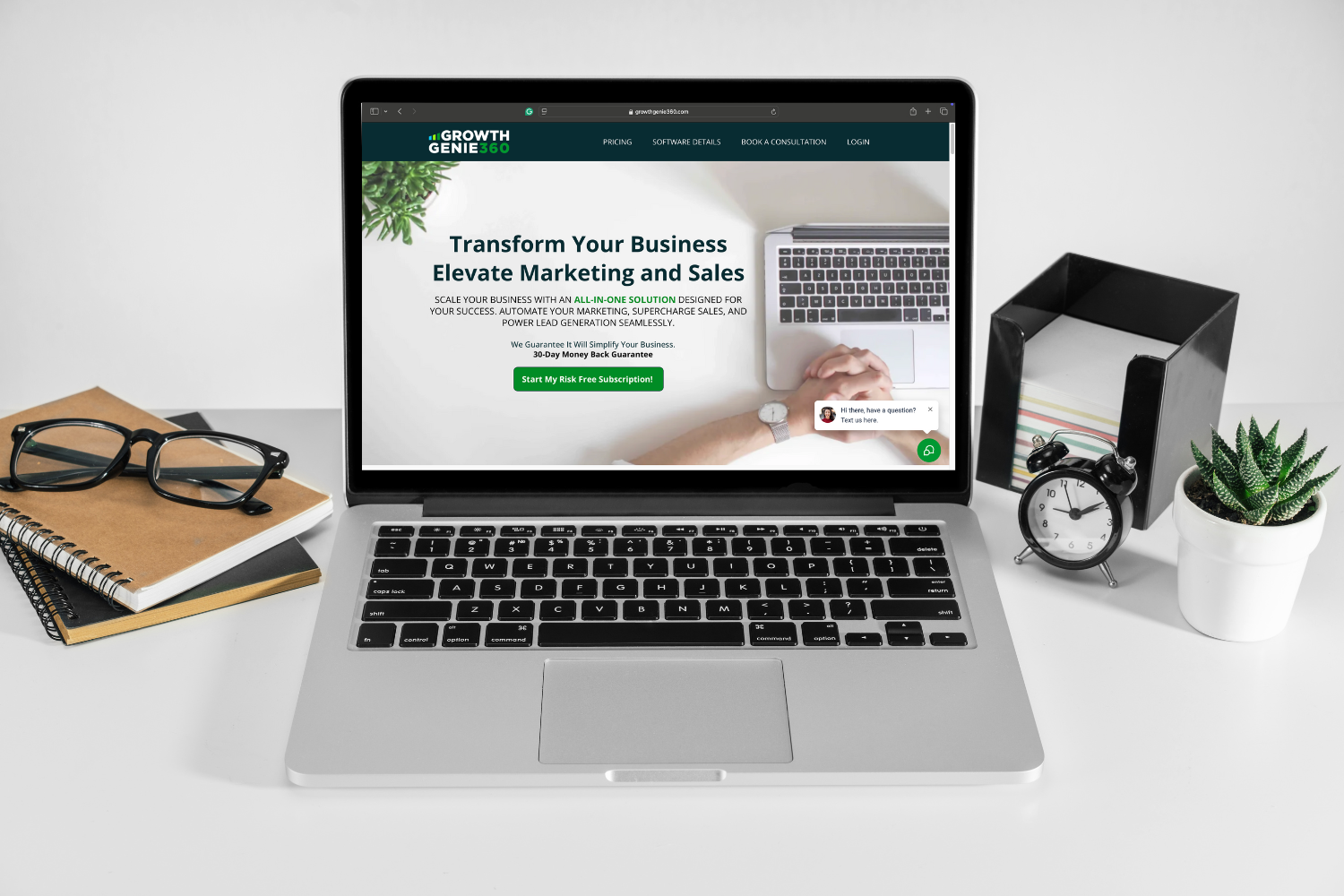
If you’re still deciding where to start, the GrowthGenie360 platform includes everything you need to build, automate, and market your online store—all in one place.
2. Prioritize Search Everywhere Optimization
Search isn’t just about Google anymore. Today’s shoppers find products through multiple touchpoints—search engines, social media, voice assistants, and even marketplace platforms.
That’s why your goal should be Search Everywhere Optimization, making it easy for people to discover your products no matter where they look.
Start by understanding what your ideal customers are searching for and how they’re phrasing it. Use those same words naturally throughout your:
Product titles and descriptions
Image alt tags
Blog posts and FAQs
Social media captions and hashtags
Think beyond keywords, too. Optimize for clarity, readability, and trust. Each page should help answer the questions your audience is already asking.
Tip: Don’t chase algorithms; serve your audience. The better you match what people are genuinely looking for, the higher your brand will rise wherever they’re searching.
3. Use High-Quality Photos and Videos
Your product pages work around the clock. They’re your sales team that never clocks out. So the better they look and communicate, the more confidently people will buy.
High-quality visuals help shoppers understand your product before they ever add it to their cart. Use photos and videos to:
Show your product from multiple angles
Highlight textures, colors, and size comparisons
Demonstrate how it’s used or assembled
Share quick lifestyle clips that show your product in action
You don’t need a studio setup to start. Natural light and a simple background go a long way. As your business grows, consider professional photography or branded video content to elevate your presentation.
Tip: Keep file sizes optimized so your pages load quickly. Fast load times mean fewer drop-offs and more completed purchases.
4. Build Trust Through Reviews and Credibility Signals
People buy from brands they trust. In e-commerce, trust isn’t built through a handshake; it’s built through proof.
Customer reviews are one of the strongest signals of credibility you can have. They show real experiences and help new shoppers feel confident about buying from you.
Make it easy for customers to leave feedback after every purchase. A steady stream of fresh, authentic reviews not only strengthens your reputation but also boosts your visibility on Google and other search platforms.
If managing reviews feels like one more thing on your plate, tools like Review Llama can help. It automatically follows up with happy customers, collects reviews across platforms, and filters out negative feedback for private follow-up so your reputation keeps improving while you stay focused on running your business.
And don’t forget other trust markers. Display secure payment logos, SSL badges, and any relevant certifications to reassure shoppers that their information is safe.
Tip: Respond to reviews—both good and bad. It shows customers you care, listen, and take feedback seriously. That personal touch goes a long way.

5. Simplify the Checkout Process
A complicated checkout is one of the fastest ways to lose a sale. Every extra click or field can turn hesitation into abandonment.
Your goal is to make checkout as quick and frictionless as possible. A few simple tweaks can make a big difference:
Limit the number of form fields. Only ask for what’s necessary to complete the purchase.
Offer guest checkout. Not everyone wants to create an account right away.
Enable digital wallet options like Apple Pay, Google Pay, or PayPal for faster payments.
Show progress indicators so customers know how close they are to finishing.
Tip: Test your checkout process on both desktop and mobile. A checkout that feels effortless on every device leads to higher conversions and happier customers.
6. Expand Your Reach With Product Listings
Getting your products seen is half the battle. Listing your items across multiple platforms helps you reach shoppers wherever they’re searching or scrolling.
Start with Google Merchant Center, which lets you showcase your products directly in Google Search and Shopping results. When your product feed is properly set up, your listings can appear with rich details—photos, prices, and availability—right when shoppers are ready to buy.
To make the most of it:
Keep your product data complete and up to date.
Use clear, keyword-rich titles and descriptions.
Include high-quality images that match your brand.
From there, you can extend your visibility by connecting your product feed to Facebook, Instagram, and other marketplaces. This creates an “everywhere” presence for your brand without having to manually manage each platform.
Tip: Regularly review which platforms bring the most qualified traffic. Focusing your energy where customers are most engaged helps you get better results from every listing.
7. Grow Your Social Media Presence With Purpose
Social media is one of the best ways to stay connected with your audience and build lasting brand awareness. Shoppers nowadays also check social platforms before they buy; thus, being visible and engaged there keeps your business top of mind.
Focus on creating content that’s useful, relatable, and consistent. Mix in product highlights, behind-the-scenes moments, and customer stories. Share limited-time offers or tips that add value. And just as important, respond to comments and messages quickly. Real connection builds real loyalty.
You don’t need to be everywhere. Choose the platforms that fit your audience best:
Facebook for local communities and general visibility
Instagram for visual storytelling and engagement
YouTube for tutorials, demos, or brand stories
Pinterest for inspiration and product discovery
LinkedIn if you sell to professionals or other businesses
The goal isn’t just to post but to build community and trust.
Tip: Quality beats quantity. It’s better to show up regularly on two platforms your customers actually use than to spread yourself thin across six.
Want to connect with other small business owners learning and growing online? Join the U.S. Small Business Support Hub on Facebook, our free community for sharing ideas, asking questions, and getting real-world advice from people who’ve been there.

8. Optimize Your Google Shopping Ads
Google Shopping is a powerful way to showcase your products directly in Google Search results—complete with images, pricing, and key details that make it easy for shoppers to compare and buy. It connects with your Google Merchant Center account to display accurate, real-time product information.
If you’re already running ads:
Keep an eye on which products bring in the most revenue. Shift your ad spend toward those top performers and pause the ones that aren’t converting as well. Regularly reviewing your results helps maximize your ROI and keeps your campaigns efficient.
If you’re just getting started:
Setting up a Google Shopping campaign is a smart next step once your product listings are optimized. Even a small test budget can help you understand which products and keywords attract the most attention—insights that benefit your broader marketing strategy.
Either way, investing time in Google Shopping helps your store show up where buying intent is strongest.
9. Run Facebook and Instagram Ads
Facebook and Instagram ads are powerful tools for reaching new audiences and staying visible with existing ones. With detailed targeting options, like interests, behaviors, and location, you can put your products in front of the right people at the right time.
If you’re already running ads:
Take time to review your campaign data. Look at which audiences, creatives, or offers are driving the most engagement and sales. Then double down on what’s working and trim what’s not. Continuous testing and refinement will stretch your ad dollars further.
If you’re not running ads yet:
Start small. Even a limited budget can help you reach people who might never find your website otherwise. Try promoting a best-selling product, a limited-time offer, or a piece of helpful content that introduces your brand to new customers.
Remember, paid social isn’t just about selling—it’s about visibility. It keeps your brand top of mind while your organic efforts build trust over time.
10. Recover Abandoned Shoppers
Not everyone who adds items to their cart will check out. And that’s normal. What matters is how you follow up.
If you’re already recovering abandoned carts:
Review how your follow-up messages perform. Look at open rates, click-throughs, and recovery percentages. Small tweaks like adjusting the send time or simplifying your reminder message can make a noticeable difference.
If you’re not doing this yet:
Start by setting up a simple automation that sends a friendly reminder when someone leaves their cart. Include the product name, image, and maybe a small incentive like free shipping or a limited-time discount. It’s one of the easiest ways to win back lost sales.
With GrowthGenie360, you can automate these reminders through email or text, keeping your follow-ups consistent without adding extra work to your day.
11. Run Dynamic Retargeting Campaigns
Even after visitors leave your site, your marketing can continue to work for you through retargeting. These campaigns help your brand stay visible to shoppers who showed interest but didn’t purchase—keeping you top of mind when they’re ready to buy.
If you’re already running retargeting ads:
Track performance closely. See which audiences respond best and which products get the most clicks. Use that data to refine your visuals and messages so your ads feel timely and personal.
If you’re not running retargeting yet:
It’s worth starting with a simple setup that reconnects with recent visitors. When done right, retargeting can turn “maybe later” shoppers into loyal customers without increasing your ad budget.
Tip: Keep retargeting ads fresh. Rotate visuals and messaging every few weeks so your audience doesn’t tune them out.
12. Automate Your Email Marketing
Email marketing remains one of the most powerful—and cost-effective—ways to grow your online store. Unlike social media algorithms or ad costs that can change overnight, your email list is something you own. It’s a direct line to customers who already want to hear from you.
A thoughtful email strategy helps you stay connected long after the first sale. You can welcome new subscribers, share updates, recommend products, and encourage repeat purchases, all while building trust and loyalty over time.

The key is consistency, and that’s where automation comes in. With marketing automation tools like GrowthGenie360, you can create smart workflows that send the right message at the right time automatically. For example:
A welcome email when someone joins your list
A thank-you message after checkout
Product recommendations based on what they bought
Gentle reminders for customers who haven’t visited in a while
Automation keeps your communication personal but effortless. It helps you stay top of mind without adding more work to your week.
Tip: Every email should feel like it’s written for one person. Speak directly, keep it simple, and focus on helping—not selling.
We covered more ways to make email marketing work for small businesses in another article. Check it out: Master Email Marketing for Small Biz →
13. Reach Customers Through SMS or Messenger
Just like email, mobile messaging is one of the most direct ways to reach your customers, and yet, it’s often underused.
Most people check their phones constantly throughout the day, which means messages sent via SMS or Messenger are far more likely to be opened and read right away. A short, well-timed message can bring customers back to your store faster than almost any other channel.
Use mobile messaging to share:
Special offers or restock alerts
Limited-time discounts during slow periods
Personalized recommendations or reminders
You can also create a VIP Circle or members-only list where subscribers get early access to promotions and exclusive deals. Encourage sign-ups through your website or checkout page, and thank new subscribers with a small reward like a discount or freebie.
Want more helpful tips sent straight to your inbox? Join our email list! We share simple, practical ideas to help small businesses grow online.

14. Encourage Repeat Sales With Subscriptions
One of the best ways to build steady, predictable revenue is by offering subscriptions or recurring orders, especially for products people use regularly.
When customers can “set it and forget it,” it saves them time and guarantees you repeat business. Subscriptions also strengthen loyalty because customers stay connected to your brand month after month.
Consider offering subscription options for consumable or seasonal items, and reward subscribers with perks like:
Discounted pricing or free shipping
Early access to new products
Loyalty points or exclusive gifts
Even if you don’t sell a traditionally “replenishable” product, think creatively. You could offer a quarterly box, a members-only bundle, or a maintenance plan—something that keeps customers engaged and coming back.

Bonus Tip: Create a Referral Program
Your happiest customers are often your best marketers. When people love your products, they naturally want to share them with others. Make sure it is easy (and rewarding) for them to do so!
A referral program gives your customers a reason to spread the word and helps you reach new buyers who already trust your brand through personal recommendations.
For the best results, reward both sides of the exchange:
The customer who shares your store link
The new customer who completes their first purchase
It doesn’t have to be complicated. Simple incentives (such as a discount, free gift, or store credit) can go a long way in turning satisfied shoppers into enthusiastic advocates.
A Final Word on Strengthening Your E-Commerce Marketing Strategy
Improving your e-commerce marketing doesn’t have to mean doing everything at once. Start small, stay consistent, and focus on building real relationships with your customers.
Here’s a quick recap of the 14 smart moves you can start with:
Start with the right website foundation – Build a site that supports your marketing goals.
Prioritize Search Everywhere Optimization – Help customers find you wherever they search.
Use high-quality photos and videos – Show your products clearly and confidently.
Build trust through reviews and credibility signals – Let your happy customers speak for you.
Simplify the checkout process – Make buying quick and frictionless.
Expand your reach with product listings – Be visible on Google, social, and marketplaces.
Grow your social media presence with purpose – Focus on connection, not just posting.
Optimize your Google Shopping ads – Invest where buying intent is strongest.
Run Facebook and Instagram ads – Reach new audiences and stay visible.
Recover abandoned shoppers – Use gentle reminders to bring them back.
Run dynamic retargeting campaigns – Stay top of mind for those who showed interest.
Automate your email marketing – Nurture relationships and encourage repeat sales.
Reach customers through SMS or Messenger – Send timely, personal updates that drive action.
Encourage repeat sales with subscriptions – Build loyalty and predictable revenue
Bonus: Create a referral program to turn happy customers into brand advocates.
Each of these steps—whether it’s improving your product pages, optimizing your visibility, or automating your follow-ups—works together to build a stronger, more sustainable online business.
And remember, digital marketing isn’t about chasing trends; it’s about staying connected to the people you serve. When you focus on helping them find what they need and making their experience easy, growth naturally follows.
If you’d like help figuring out which next step will make the biggest impact for your business, book a free strategy session with our team. We’ll walk through your current setup, spot quick wins, and help you map out a clear path toward growth!

Built for Growth. Backed by 25 Years of Trust.
For over two decades, LOJO has been a trusted partner to hundreds of businesses just like yours. Whether working directly with owners, managers, teams, or boards of directors, our goal remains the same: to be a reliable and results-driven asset to your business.
Over the years, we’ve carefully built a team of experts—each selected for their unique skills, strengths, and personalities. Our clients choose LOJO because they know we genuinely care about their success.
And after 25 years of helping businesses grow, we’re more committed than ever.

Built for Growth. Backed by 25 Years of Trust.
For over two decades, LOJO has been a trusted partner to hundreds of businesses just like yours. Whether working directly with owners, managers, teams, or boards of directors, our goal remains the same: to be a reliable and results-driven asset to your business.
Over the years, we’ve carefully built a team of experts—each selected for their unique skills, strengths, and personalities. Our clients choose LOJO because they know we genuinely care about their success.
And after 25 years of helping businesses grow, we’re more committed than ever.


Matthew Rogers, President
iProspect Check
After spending several months reviewing multiple proposals from several different companies we engaged LOJO to develop a new website that represents our company effectively. We worked initially with Stephen Platte who helped create the scope of the project. Stephen was knowledgeable and always followed up with me on time and as promised.
He "closed the deal" for LOJO with his professionalism, service orientation and easy going approach. Once we signed the contract we were introduced to Jay Kelly who would be the creative lead for LOJO. This was the most challenging part of the project for my company, as there was no shortage of ideas from our side. Jay managed the project flawlessly, and once we had all agreed to the design, Jay introduced us to Eric.
Eric Lay is one of the founders of LOJO. Eric took the design we had developed and brought it to life. We delivered content as quickly as he requested it. Eric kept the project on task and we responded by exceeding every deadline for content. In turn, once provided, literally not a day went by that Eric didn't add the content and take the next step. In just a few weeks we launched our new website. Eric is a pleasure to work with.
His positive attitude and consultative approach really enhanced the experience and made a big difference for us in the outcome of our project. We would welcome you to visit our website to take a look at the quality work of LOJO. We are very pleased with LOJO and look forward to working with them in the future as we pursue an aggressive SEO strategy."
After spending several months reviewing multiple proposals from several different companies we engaged LOJO to develop a new website that represents our company effectively. We worked initially with Stephen Platte who helped create the scope of the project. Stephen was knowledgeable and always followed up with me on time and as promised.
He "closed the deal" for LOJO with his professionalism, service orientation and easy going approach. Once we signed the contract we were introduced to Jay Kelly who would be the creative lead for LOJO. This was the most challenging part of the project for my company, as there was no shortage of ideas from our side. Jay managed the project flawlessly, and once we had all agreed to the design, Jay introduced us to Eric.
Eric Lay is one of the founders of LOJO. Eric took the design we had developed and brought it to life. We delivered content as quickly as he requested it. Eric kept the project on task and we responded by exceeding every deadline for content. In turn, once provided, literally not a day went by that Eric didn't add the content and take the next step. In just a few weeks we launched our new website. Eric is a pleasure to work with.
His positive attitude and consultative approach really enhanced the experience and made a big difference for us in the outcome of our project. We would welcome you to visit our website to take a look at the quality work of LOJO. We are very pleased with LOJO and look forward to working with them in the future as we pursue an aggressive SEO strategy."
Matthew Rogers, President
iProspect Check
The team at LOJO were wonderful to work with. They are well organized and very patient as we worked through our marketing strategy and developed a well thought out and clear action plan at a reasonable price. We will definitely be back for our future campaign needs."

Jon Crosby, Founder
Dazil